Renovating a roof isn’t something that most homeowners look at looking forward to. It’s costly and can be disruptive. It’s also difficult to delay until the issue becomes too big to ignore. However, when the time to act arrives, the type of material that you select makes a greater impact than many realize, not only in the short-term and over the years that will follow. This is precisely why numerous homeowners have taken a deeper to coastal metal roofing options as an alternative to traditional asphalt shingles.
It has been utilized on industrial and commercial structures for a long time, but it has slowly gained popularity on the market for residential homes in the last two decades. The reasons aren’t complicated. Metal is simply superior to other roofing materials when it comes to durability, as well as weather resistance, and overall cost of ownership when these figures are compared honestly throughout the duration of the roofing.
What Makes Metal Different From the Start
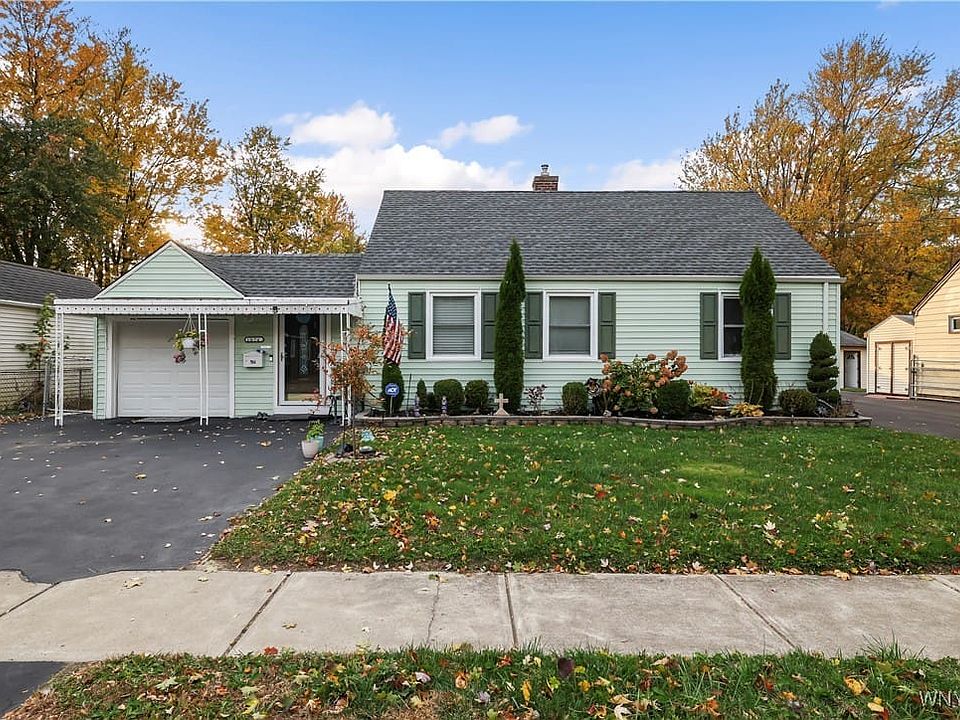
The biggest distinction between asphalt and metal roofing is their lifespan. A typical asphalt roof can last between 15 and 25 years in normal conditions. Metal roofing that is properly installed generally lasts 40 to 70 years. Many manufacturers back this claim with warranties ranging from 30 to 50 years. This single fact alters the whole financial picture when comparing different alternatives side-by-side.
Beyond the lifespan, metal is also among the most durable roofing materials that is available. It doesn’t break or warp like organic materials can after being exposed to years of cold, heat, and rain. What you put up is what you’ll be able to use in the next three decades. This is an assurance of quality that few roofing products can truly claim to have.
How Metal Handles Weather That Other Materials Cannot
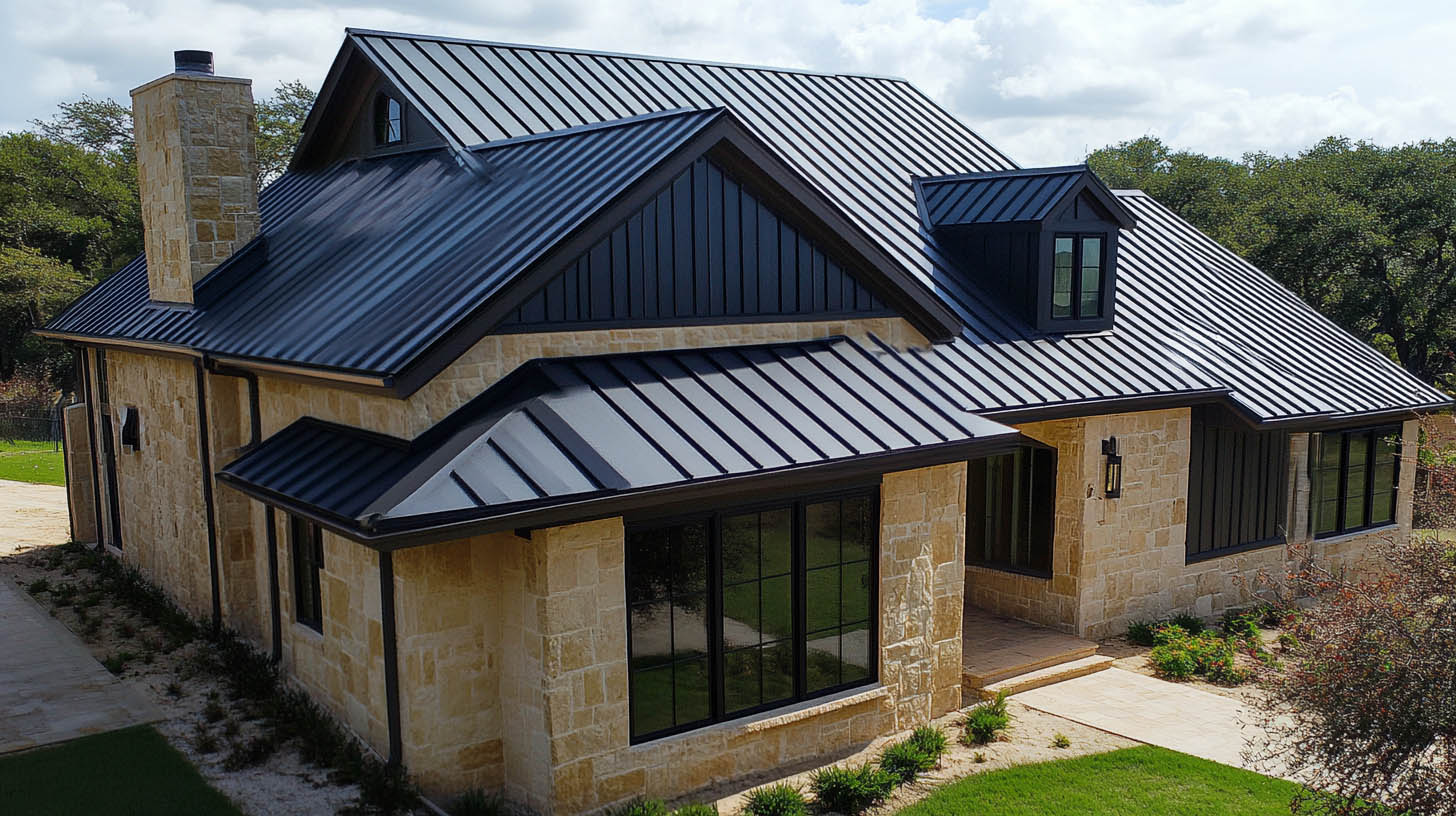
Metal roofing is a weatherproof material that gets its name from metal. The standing seam panels have been constructed with interlocking edges as well as hidden fasteners. They eliminate those exposed points of attachment that loosen as time passes and allow water to get in. When winds pick up in a severe storm, the locking system is able to resist uplift in a manner that overlapping shingles cannot meet. A lot of metal roofing systems for homes have been tested and rated for sustained winds of 120 miles an hour and more.
In areas that experience significant snowfall, the soft surface that is present on the steel roof allows snow to melt away instead of accumulating. This helps to reduce the structural burden on the house and helps prevent the formation of ice dams around eaves when melting water condenses. Metal is also equipped with an A classification for fire, which is the most prestigious classification that is important, particularly when wildfire danger is a major concern during the winter months.
The Energy Efficiency Argument Is Real
The majority of roofing materials trap heat and then release it directly to the house. Dark asphalt shingles perform exceptionally well at this, and are a major problem for homeowners in the summer. Cooling systems can compensate for the heat that the roof forces indoors, and the electric bill is a reflection of the effort every month.
Metal roofing reflects solar heat, rather than absorption. Based on the color of the roof and the climate of the region, the characteristic usually leads to a decrease in cooling costs by 10 to 25 percent during the summer months. In the course of the life of a 40-year roofing system, the energy savings cumulatively make up a significant portion of the financial argument for metal. Certain roofing materials made of metal are eligible for tax credits, which could be used to offset a part of the initial cost for installation.
Understanding the True Cost Over Time
The initial cost of metal roofing is more expensive than that of asphalt. It typically costs between $7 to $13 per square foot, according to the type of material and the roof’s complexity. This number may give homeowners pause, but it will lose a significant amount of importance when you consider the total image.
When you have asphalt roofing, it is possible to replace your roof as many as three times over the same timeframe that a metal roof still in operation. Each replacement will incur the cost of labor, material, and a lot of disruption. When these numbers are put against the one investment in metal, the mathematical equation usually favors metal in the long haul.
Also, there is the maintenance aspect. Metal requires little focus beyond occasional inspections and maintaining gutters clean. Asphalt shingles, on the other hand, tend to require regular repairs, as they deteriorate especially after extreme weather conditions.
Choosing the Right Metal for Your Specific Situation
All roofing materials made of metal are the same. The best choice will depend on the type of environment the house is situated within. Aluminum is light, naturally resistant to corrosion, and holds extremely well in high-humidity or coastal environments in which salt air speeds up the decomposition and deterioration of other materials.
Steel panels, usually finished with a Galvalume or galvanized coating, have more resistance to impact and are an ideal choice for areas susceptible to high winds or hail. Both materials work well as time passes, if properly chosen and installed to meet the particular circumstances they’ll face.
Modern metal roofing comes in a variety of colors and profiles. The options include the standing seam panel, shingles made of metal that resemble slate, as well as wood shake, and designs that work with traditional and contemporary architecture. The material doesn’t require homeowners to sacrifice style in exchange for years of reliability.
When Repairs or Replacement Become Necessary
A well-maintained roof made of metal might require attention from a professional. The flashing around chimneys, skylights, or pipe penetrations can be a typical cause of failure in the course of time. Severe hail can dent certain panel types. A roof that is not constructed correctly at the beginning may cause problems at seams or with fasteners later on the line, which require an expert to correctly diagnose and fix.
If the time is right, getting a qualified metal roofing service is a must. Contractors that specialize in metal roofing know the way that the panels contract and expand during temperature changes, as well as how to match the existing materials to repair partial damage, and also how to maintain the structural integrity of a roof constructed to last for years. The quality of the work directly impacts how many years of reliable performance the roof will provide.
Final Word
Metal roofing isn’t the ideal option for every homeowner or budget; however, for those who plan to remain in their house for the long haul and need an effective roof that will take care of its own weight, it’s hard to deny. The combination of durability, weather resistance, and energy savings maintenance-free makes for an investment that pays for its value over time. If your roof is coming to the final stage of its lifespan, it is worthwhile to do the entire math, not just looking at the cost for square feet, but instead thinking carefully about what you would like to do about it in the coming four decades.