Why Go Solar at Home?
The shift to solar for residential use is taking off as a solution to the increasing electricity prices and as an answer to the urgent demand for renewable energy sources. Solar power not only provides substantial savings over the long term and energy savings, but it also offers homeowners an eco-friendly, efficient energy source. The popularity of solar power has increased dramatically because more and more people are realizing the advantages of reducing their carbon footprint while also gaining home value. Many homeowners start by speaking to local experts like Tallahassee, FL Solar Companies that can provide site evaluations and help you through each step of the procedure.
If you generate your own electricity by generating your own energy, you can shield your home from the fluctuation of energy costs. Furthermore, correctly placed solar panels on the roof can drastically reduce annual electric bills and, in some cases, remove them completely. This makes solar an investment that is beneficial to those who are looking for both financial and environmental security.
Is Your Home a Good Candidate for Solar Panels?
Before you invest in solar, it is crucial to determine whether your home is a good fit for the photovoltaic system. A suitable candidate usually has an east-facing roof, no shading from trees or other nearby structures, and a sufficient unobstructed space to set up a successful system. The quality of your roof’s structure and the climate of your area are crucial factors, as homes located in particularly humid or shady areas might not produce the best outcomes.
Making use of online solar mapping tools and having a professional evaluate is a great place to start. These evaluations analyze your home’s solar exposure, calculate the potential energy production, and help you make an informed choice. Local permits and restrictions of homeowners’ associations should be inspected to confirm that you are in compliance.
Demystifying Solar Costs and Incentives
The cost of solar installation has decreased dramatically over the last decade, making this technology more affordable for many families. The total cost of your investment will depend on the size of the system, type of equipment selected roof accessibility, the size of the system, and the local labor costs. Homeowners are able to take advantage of many incentives, such as government incentives like the Investment Tax Credit (ITC), as well as municipal or state rebates, and net metering programs, which allow homeowners to sell surplus energy to the grid.
The world of the solar incentive system can prove a bit difficult, so it’s important to check out the latest information from organizations such as the Solar Energy Industries Association (SEIA) for the most current information on policies from the federal and state levels. Numerous solar companies assist with the application procedure to help you lower the initial costs and increase the return on your investment.
Choosing the Right Solar Equipment
The investment in quality solar panels is essential for the reliability of the system and long-term performance. Find panels that have high efficiency ratings and long-lasting warranties, since these indicate both reliability and the confidence of the manufacturer. Inverters, which convert the solar DC output to AC for household use, also come in various configurations–string, micro, and hybrid–that may affect system design and maintenance.
Think about your future needs and also. Many homeowners choose solar battery storage in order to increase the energy independence of their homes or plan for electric vehicle (EV) chargers in the future. Utilize independent product reviews, and discuss different options with your installer to discover the ideal solution that fits your budget and needs.
Hiring the Right Solar Installer
A reputable solar contractor significantly impacts the project’s outcomes. When choosing your solar installer, be sure to look for NABCEP accreditation, positive reviews from customers, and open business methods. Make sure you have proof of licensure as well as proof of insurance and examples from local initiatives. Professionally trained installers take care of every aspect of regulatory, technical, and administrative aspects, making sure that your project meets local standards and can be eligible for incentives.
Think about interviewing several companies and comparing estimates before making a choice. A high-quality customer experience and detailed explanations of your solar option are indicators that you’ve located an installer that is focused on your requirements and not just on the immediate sale.
What to Expect During the Installation Process
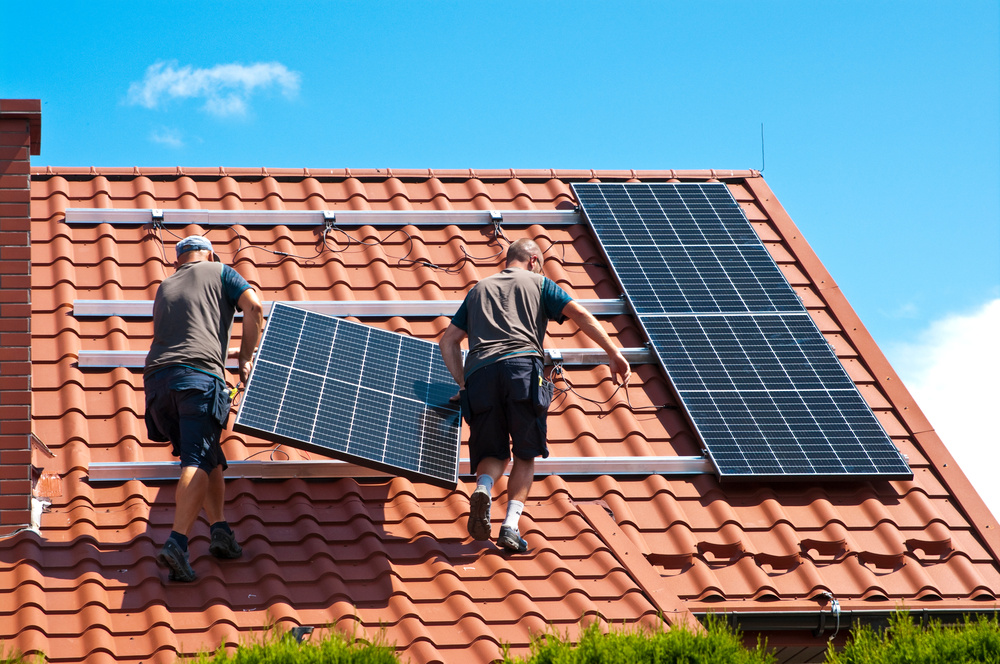
The process of installing solar panels starts with an initial inspection of the site, then a system that is designed to meet your roof’s energy requirements and the structure of your home. The next step is permitting, which can take up to weeks, based on your municipality. After all permits have been secured, the installation can be a quick process that can be completed in a single day or two. However, inspections by utility companies and grid connections could cause a brief wait time before the system becomes fully functional.
Through the entire process, a reputable installation company will be up-to-date and will manage the various stages, which include documentation and logistics. Continuous, consistent communication is essential for a smooth transition to solar.
Maintaining Your Residential Solar Panels
Solar panels are extremely low-maintenance, having no moving parts, and are engineered to last in all weather conditions. However, biannual or annual inspections can help you identify shade or dirt issues and spot minor issues before they affect the performance. In areas that are prone to snow, dust, or pollen, a periodic cleaning is helpful to maintain performance.
Many systems offer performance monitoring, which lets you monitor electricity production in real-time. If you keep track of the output of the system, homeowners can quickly identify and fix any issues, thereby increasing the ROI of their investment in solar. For more information, go to this comprehensive Consumer Reports guide to maintaining your solar home system.
The Future of Solar for Homeowners
As solar technology continues to develop, home energy systems are becoming more sophisticated and integrated. Lower battery costs and emerging intelligent home technologies will soon enable homeowners to store electricity during the day to use for overnight usage or power outages, further separating their homes from the fluctuating prices of grid electricity. State incentives and policy changes are being implemented across the nation to increase the number of people who adopt and make the transition to energy independence possible for a greater number of individuals each year.
It is essential to stay up-to-date on technological advancements and changes in regulations. The resources like those in the U.S. Department of Energy’s homeowner’s guide for going Solar provide valuable information and can help you make informed decisions as more homeowners adopt this revolutionary technology.